Introduction
The world of finance is changing faster than ever. From blockchain innovations to digital currencies, the way we think about money, trade, and investment is evolving at lightning speed. One term that has been gaining traction in online discussions and economic forums is ontpeconomy.
- Introduction
- What Is Ontpeconomy?
- The Evolution of Digital Finance
- Key Components of Ontpeconomy
- Advantages of Embracing Ontpeconomy
- Challenges and Risks
- Comparative Analysis of Financial Models
- Practical Applications of Ontpeconomy
- How to Get Started with Ontpeconomy
- Step 1: Understand the Basics
- Step 2: Choose Reputable Platforms
- Step 3: Start Small
- Step 4: Explore Tools and Analytics
- Step 5: Stay Updated
- Frequently Asked Questions
- What exactly is ontpeconomy?
- Is ontpeconomy safe for beginners?
- Can I participate globally?
- How does it differ from traditional finance?
- Do I need technical expertise to use it?
- Conclusion
At its core, ontpeconomy represents a modern approach to digital financial ecosystems, blending technology, accessibility, and strategic innovation. It’s more than just a concept—it’s a vision for how money, investment, and economic interactions could function in a connected, tech-driven world.
Curiosity about ontpeconomy is natural, especially for investors, entrepreneurs, and digital enthusiasts looking to understand future trends. This article dives deep into what ontpeconomy is, how it works, and why it matters in shaping modern financial landscapes.
What Is Ontpeconomy?
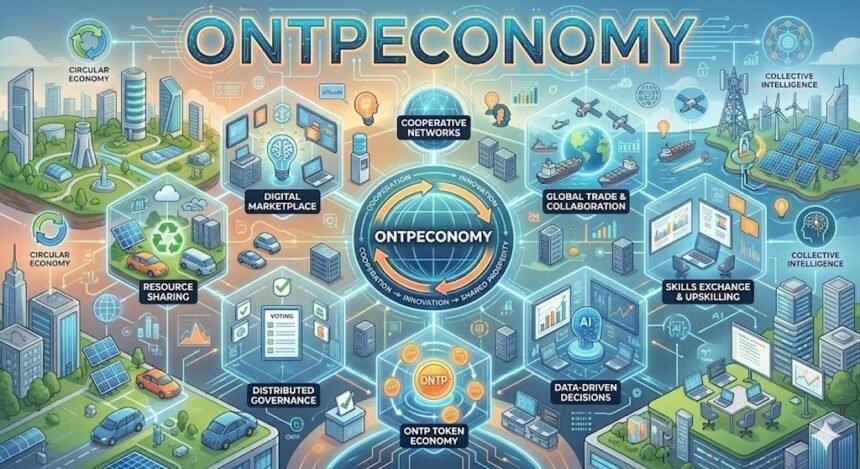
Ontpeconomy can be understood as a framework that integrates decentralized financial systems, digital currencies, and smart economic strategies. It’s not tied to a single platform but rather describes an ecosystem where digital tools drive economic growth and efficiency.
The concept emphasizes transparency, security, and scalability. By leveraging technologies like blockchain and AI-driven analytics, ontpeconomy aims to streamline financial interactions while minimizing traditional limitations.
In essence, it’s a blueprint for a modern financial environment where innovation and accessibility converge. Entrepreneurs, investors, and digital natives increasingly explore ontpeconomy for its potential to redefine economic participation.
The Evolution of Digital Finance
Digital finance hasn’t appeared overnight. Over the past decade, traditional banking systems, fintech platforms, and cryptocurrencies have reshaped the financial landscape.
The rise of mobile banking, peer-to-peer payment systems, and decentralized finance (DeFi) demonstrates the shift toward more flexible and user-centric solutions. Ontpeconomy builds upon these trends by integrating multiple digital financial elements into a cohesive ecosystem.
As society increasingly values transparency and efficiency, ontpeconomy provides a model where users can engage with financial systems more directly and confidently.
Key Components of Ontpeconomy
Ontpeconomy is complex, yet it can be broken down into several core components:
- Decentralized Finance (DeFi): Platforms that allow peer-to-peer lending, borrowing, and trading without traditional banks.
- Digital Currencies: Cryptocurrencies and stablecoins that facilitate global transactions instantly.
- Smart Contracts: Automated contracts that execute when predefined conditions are met, reducing the need for intermediaries.
- AI-Powered Analytics: Tools that provide insights into market trends, risk management, and investment strategies.
By combining these elements, ontpeconomy creates a financial ecosystem that is more accessible, efficient, and adaptive than traditional systems.
Advantages of Embracing Ontpeconomy
The potential benefits of ontpeconomy extend across personal finance, corporate strategy, and global commerce.
One significant advantage is the increased accessibility it provides. Anyone with an internet connection can participate in digital financial systems, breaking down traditional barriers to entry.
- Lower costs due to reduced intermediaries
- Faster transactions across borders
- Enhanced security through encryption and decentralized networks
- Greater financial inclusion for underserved populations
- Real-time analytics for smarter decision-making
Challenges and Risks
Despite its advantages, ontpeconomy also presents challenges. Digital financial ecosystems are highly technical, and mismanagement can lead to significant risks.
Security remains a top concern, as hackers target vulnerabilities in smart contracts and digital wallets. Regulatory uncertainty is another hurdle, as governments worldwide struggle to keep pace with rapidly evolving technologies.
User education is crucial. Without proper understanding, individuals may make poor investment choices or fall victim to scams. As ontpeconomy grows, addressing these challenges will be key to sustainable adoption.
- Technological complexity can overwhelm new users
- Regulatory frameworks are still evolving
- Cybersecurity threats remain prevalent
- Market volatility can affect digital assets
- Adoption requires continuous education and support
Comparative Analysis of Financial Models
| Feature | Traditional Finance | Ontpeconomy |
|---|---|---|
| Intermediaries | High, multiple banks and brokers | Minimal, often decentralized |
| Accessibility | Limited to regions and banking infrastructure | Global, internet-based access |
| Transparency | Moderate, relies on reporting | High, blockchain and automated audits |
| Speed | Varies, sometimes days for transfers | Instant, depending on blockchain |
| Innovation | Slow adaptation to new tech | Rapid integration of AI, smart contracts |
This comparison highlights how ontpeconomy addresses common inefficiencies in traditional financial systems while offering modern capabilities.
Practical Applications of Ontpeconomy
Businesses, individuals, and investors can all leverage ontpeconomy in practical ways. For instance, small businesses can access microloans or secure digital payments without relying on conventional banks.
Investors can participate in global markets with lower costs and higher transparency. Additionally, digital platforms can use smart contracts to automate agreements, reducing administrative overhead.
The versatility of ontpeconomy allows it to serve diverse financial needs, from day-to-day transactions to complex investment strategies.
How to Get Started with Ontpeconomy
Step 1: Understand the Basics
Begin by learning about digital finance, DeFi, and blockchain technology. Knowledge is your best defense against risks.
Step 2: Choose Reputable Platforms
Select platforms with strong security measures, transparent policies, and positive reviews from the community.
Step 3: Start Small
Test transactions with modest amounts before committing significant funds.
Step 4: Explore Tools and Analytics
Use AI-driven insights and portfolio management tools to make informed decisions.
Step 5: Stay Updated
Regulations and technology evolve quickly, so continuous learning is essential for success.
Frequently Asked Questions
What exactly is ontpeconomy?
Ontpeconomy refers to a modern digital financial ecosystem that integrates blockchain, DeFi, AI analytics, and digital currencies.
Is ontpeconomy safe for beginners?
It can be safe if users choose reputable platforms, start with small amounts, and educate themselves about risks.
Can I participate globally?
Yes, one of ontpeconomy’s key advantages is accessibility across borders via internet-based platforms.
How does it differ from traditional finance?
Ontpeconomy reduces intermediaries, increases transparency, speeds up transactions, and integrates advanced analytics.
Do I need technical expertise to use it?
Basic understanding is helpful, but many platforms simplify processes for everyday users.
Conclusion
Ontpeconomy represents a bold step toward the future of finance. By combining transparency, efficiency, and global accessibility, it reshapes how individuals and businesses interact with money. While challenges such as security, regulation, and education remain, the potential benefits are enormous. Understanding and participating in ontpeconomy today can position users to thrive in tomorrow’s digital financial landscape. Its versatility, innovation, and inclusivity make it a cornerstone of the modern economy, bridging traditional practices with cutting-edge technology.