Introduction
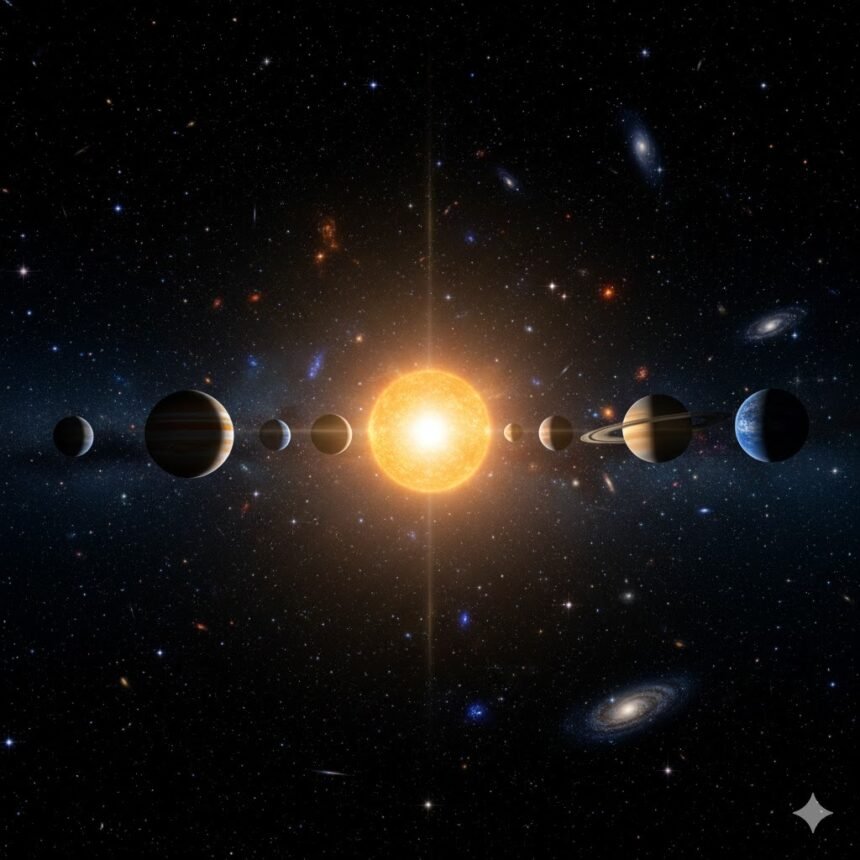
The universe has always fascinated humans, and thanks to technology, exploring it has never been easier. Enter Solar System Snap, an interactive tool that brings the cosmos to your fingertips. Whether you’re a student, educator, or just a space enthusiast, this platform allows you to learn about planets, moons, and celestial phenomena in an engaging and visually stunning way.
But what exactly is Solar System Snap, and how does it make exploring the vastness of space so approachable? In this article, we’ll dive into its features, benefits, and tips for making the most of your cosmic journey.
What Is Solar System Snap?
Solar System Snap is a digital platform designed to educate users about the solar system in a fun and interactive format. It combines stunning visuals with informative content, letting users click on planets, moons, and even asteroids to learn more about their characteristics, history, and significance.
Unlike traditional textbooks, Solar System Snap brings the solar system to life with animations, interactive models, and bite-sized facts. It’s perfect for both casual learners and those looking to deepen their astronomical knowledge.
Features of Solar System Snap
Several features make Solar System Snap an engaging experience for users:
- Interactive 3D Models: Rotate planets, zoom in on moons, and explore craters.
- Detailed Planet Profiles: Learn about gravity, atmosphere, distance from the Sun, and more.
- Fun Quizzes: Test your knowledge after exploring each celestial body.
- Real-Time Updates: Discover news about recent space missions and discoveries.
These features make learning about space both exciting and accessible, whether you’re on a computer, tablet, or mobile device.
How Solar System Snap Enhances Learning
Traditional learning can sometimes feel dry, but Solar System Snap transforms education into an immersive experience. Here’s how:
- Visual Learning: Seeing planets and moons in 3D helps reinforce memorization.
- Interactive Engagement: Clicking, rotating, and exploring keeps learners active rather than passive.
- Immediate Feedback: Quizzes and fact prompts give instant insights and reinforce knowledge.
For students, teachers, and lifelong learners, this approach combines fun and education in a way textbooks often cannot.
Advantages of Using Solar System Snap
There are plenty of reasons why users flock to Solar System Snap for astronomy exploration:
- Accessible Anywhere: Works on multiple devices without the need for specialized software.
- Up-to-Date Content: Includes information from current space missions like Mars rovers and telescope discoveries.
- Engaging Interface: Easy to navigate and visually appealing.
- Encourages Curiosity: Inspires users to ask questions and seek deeper understanding.
These advantages make Solar System Snap not just a tool, but a portal to understanding our cosmic neighborhood.
Disadvantages or Limitations
No tool is perfect, and Solar System Snap has a few limitations worth noting:
- Internet Dependency: Requires a stable internet connection for full functionality.
- Limited Advanced Data: While perfect for beginners, it may lack highly technical astrophysics data.
- Device Performance: High-quality 3D models can be heavy on older devices, causing lag.
- No Physical Interaction: While interactive digitally, it lacks hands-on experiments you might find in a science lab.
Being aware of these limitations can help set realistic expectations for users.
Tips for Getting the Most Out of Solar System Snap
- Start with the Sun: Understanding the center of our solar system helps contextualize planets and orbits.
- Explore Planets in Order: From Mercury to Neptune, following their sequence can improve retention.
- Use Quizzes Wisely: Take them after exploring sections to reinforce learning.
- Check Updates Regularly: Space discoveries happen fast; new data can be exciting to explore.
These tips help users maximize both fun and learning potential.
Solar System Snap for Students
Students of all ages benefit from interactive learning platforms like Solar System Snap. Teachers can integrate it into lessons to demonstrate concepts like gravity, orbital patterns, and planetary composition.
It’s also helpful for homework, research projects, and science presentations. By exploring planets and moons virtually, students can develop a deeper appreciation for astronomy and space sciences.
Solar System Snap for Educators
Educators find Solar System for supplementing lessons in classrooms or online courses. It allows teachers to:
- Show 3D models of planets and moons.
- Assign interactive exercises and quizzes.
- Encourage independent exploration for curious students.
This interactive approach makes teaching more dynamic and helps students retain information better.
Frequently Asked Questions
Is Solar System Snap free to use?
Yes, basic features are available for free, though some advanced content may require registration.
Can I access it on mobile devices?
Absolutely! Solar System Snap is designed to work on desktops, tablets, and smartphones.
Does it include real-time space updates?
Yes, it provides news from current space missions, telescope discoveries, and astronomical events.
Is it suitable for young children?
Yes, it’s beginner-friendly, but parental guidance may help younger children navigate quizzes and complex terms.
Can I use it for school projects?
Definitely! Its detailed profiles, visuals, and quizzes make it a great tool for assignments and presentations.
Conclusion
Solar System Snap is an engaging, interactive platform that makes exploring the solar system accessible and exciting. With detailed planet profiles, quizzes, and immersive 3D models, it turns learning into an adventure. While there are minor limitations like internet dependency and device performance issues, the educational and entertainment value is undeniable. Students, educators, and space enthusiasts alike can benefit from its features.