Introduction
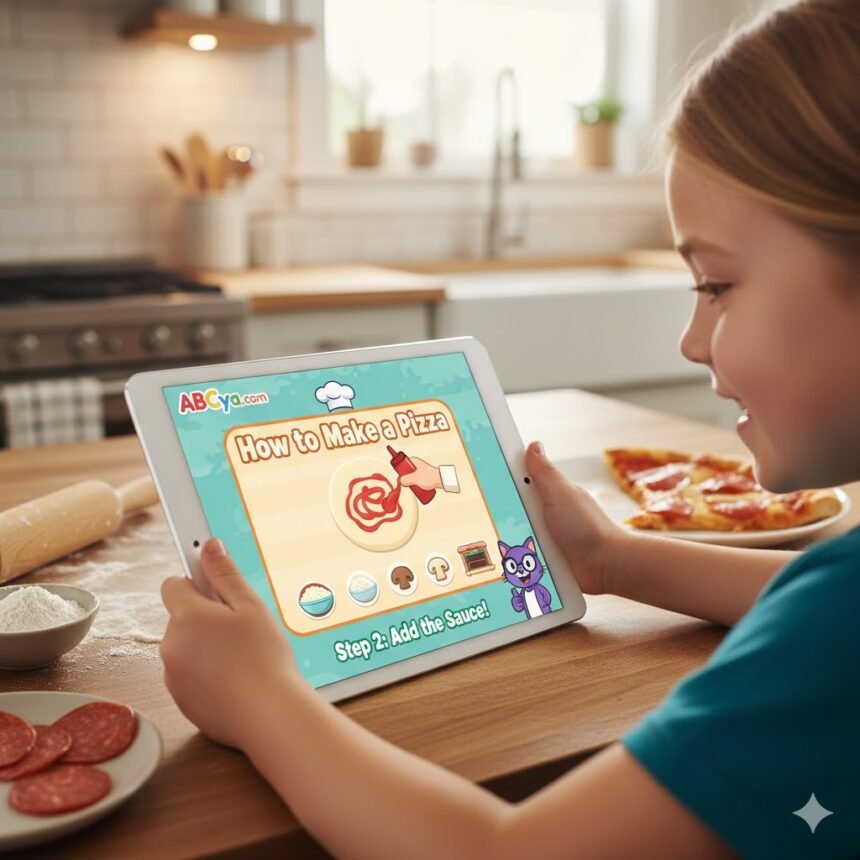
Learning doesn’t always have to feel like homework, and cooking doesn’t always start in the kitchen. Sometimes, it begins on a screen, with curiosity leading the way and imagination doing most of the heavy lifting. Abcya how to Make a pizza captures that exact spirit, turning a familiar favorite into an interactive experience that feels more like play than instruction. It’s colourful, intuitive, and designed to keep minds engaged while quietly teaching sequencing, decision-making, and creativity.
At first glance, it might seem simple. Pick ingredients, build a pizza, and enjoy the result. But look a little closer, and there’s more going on beneath the surface. There’s structure wrapped in fun, learning hidden inside laughter, and a sense of achievement baked right in. Let’s explore has become such a memorable and effective learning experience, and why it keeps people coming back for another slice.
The Charm Behind Abcya: How to Make a Pizza
What makes abcya how to make a pizza stand out isn’t flashy complexity or overwhelming instructions. It’s the balance. The experience feels approachable from the very first click, easing users into the process without pressure. Each step flows naturally into the next, creating a rhythm that mirrors real-life cooking while keeping things light and playful.
There’s something comforting about the simplicity. The visuals are inviting, the choices are clear, and the outcome always feels rewarding. Even when decisions change, there’s no sense of failure, only experimentation. That’s a powerful thing, especially in a learning environment.
Learning Through Play Without Feeling Like Learning
One of the smartest aspects of ABCya’s How to Make a pizza is how it teaches without announcing itself as a lesson. While users are focused on creating the perfect pizza, they’re also practising important skills along the way.
These include:
- Understanding sequences and order
- Making choices and seeing outcomes
- Recognizing patterns and combinations
- Building confidence through completion
All of this happens naturally, almost effortlessly. Before you know it, learning has occurred, and no one felt lectured or tested.
Why Pizza Is the Perfect Teaching Tool
Pizza is universal. Almost everyone recognizes it, and most people love it. That familiarity removes barriers instantly. There’s no need to explain what pizza is or why it matters. The focus shifts straight to creativity and process.
By centring the experience on pizza, abcya how to make a pizza taps into existing enthusiasm. When learners are already interested, engagement skyrockets. Suddenly, choosing toppings isn’t just fun, it’s meaningful. Each decision feels personal, and that sense of ownership makes the experience stick.
Step-by-Step Flow That Feels Natural
Although it’s playful, the structure behind abcya how to make a pizza is intentional. The process follows a logical order, guiding users smoothly from start to finish without ever feeling rigid.
Typical Flow of the Experience
- Starting with the base
- Adding sauce and cheese
- Choosing toppings
- Completing the pizza
Each stage builds on the last, reinforcing the idea that some things work best when done in sequence. Without saying it outright, the activity introduces foundational concepts that apply far beyond pizza.
Creativity Without Pressure
Not every creative space feels safe, but this one does. There’s no timer ticking down, no score looming overhead, and no “wrong” choice waiting to be highlighted. That freedom encourages exploration.
Want extra cheese? Go for it. Curious about unexpected toppings? Try them out. Abcya how to Make a Pizza’ invites experimentation and in doing so, nurtures confidence. When creativity isn’t punished, it flourishes.
The Role of Informal Language and Visual Cues
Part of what makes the experience so engaging is its tone. Everything feels friendly, accessible, and relaxed. The visuals guide users intuitively, reducing the need for heavy text or complicated explanations.
This combination of informal presentation and clear cues helps maintain momentum. Instead of stopping to figure things out, users stay immersed, moving forward almost instinctively. That flow keeps attention locked in, which is no small feat in a world full of distractions.
Encouraging Independent Thinking
Although guidance is present, abcya how to make a pizza doesn’t hover. It allows space for independent decision-making. Users aren’t told what to choose, only how to choose.
That distinction matters. Independence builds confidence, and confidence encourages curiosity. When learners feel trusted, they’re more likely to explore, question, and try again.
Why Repetition Never Feels Boring
Repetition often gets a bad reputation, but here, it works differently. Each new pizza feels like a fresh opportunity. The core structure stays the same, but the outcomes change based on choices.
This subtle variation keeps the experience engaging. Repeating the process reinforces learning, while creativity prevents boredom. It’s the best of both worlds.
Social and Emotional Benefits
Beyond cognitive skills, abcya how to make a pizza also supports social and emotional development. Sharing creations, talking about choices, and explaining decisions all foster communication.
The sense of completion brings satisfaction. There’s pride in seeing a finished pizza, even a digital one. That emotional reward reinforces positive associations with learning and creativity.
Adapting to Different Learning Styles
Not everyone learns the same way, and this experience accommodates that reality. Visual learners benefit from colorful imagery. Hands-on learners enjoy interactive choices. Even reflective learners find value in considering options before selecting them.
This flexibility makes ABCya’s How to Make a pizza accessible to a wide range of users, without requiring customization or adjustments.
Practical Skills Hidden in Plain Sight
While it’s not a cooking class, the activity introduces concepts that connect to real-world skills. Understanding steps, managing choices, and recognizing cause-and-effect relationships all translate beyond the screen.
These foundational ideas quietly prepare learners for more complex tasks later, all without feeling overwhelming or abstract.
Why Simplicity Wins
In a digital landscape crowded with noise, simplicity stands out. Abcya how to make a pizza doesn’t try to do everything at once. It focuses on doing one thing well. That focus creates clarity. Clarity builds confidence. And confidence keeps people engaged. Sometimes, less really is more.
Frequently Asked Questions
What is abcya how to make a pizza?
It’s an interactive, game-like learning activity that allows users to create a virtual pizza while practicing sequencing, creativity, and decision-making skills.
Is abcya how to make a pizza educational?
Yes, learning is embedded naturally through play, focusing on logic, order, and creative expression.
Does it require prior knowledge?
No prior experience is needed. The activity is intuitive and easy to follow.
Can it be used more than once?
Absolutely. Each session can result in a different pizza, keeping the experience fresh and engaging.
Why is pizza used as the theme?
Pizza is familiar, fun, and universally appealing, making it an ideal foundation for interactive learning.
Conclusion
Abcya how to Make a pizza proves that meaningful learning doesn’t need to be complicated or serious to be effective. Through playful interaction, thoughtful structure, and creative freedom, it transforms a simple idea into an engaging educational experience. By blending familiarity with exploration, it creates a space where curiosity thrives, and confidence grows.
In the end, it’s not just about making a pizza. It’s about discovering how learning can feel when it’s enjoyable, intuitive, and just a little bit delicious.