Introduction
What if life could be duplicated, redesigned, or even rehearsed before it truly unfolds? That curious idea sits at the heart of simulife. The word itself feels futuristic, almost cinematic, yet strangely plausible. In a world increasingly driven by digital immersion, simulation is no longer science fiction. It’s quietly blending into everyday reality.
From virtual environments to artificial intelligence modelling, simulife hints at something bigger than just technology. It suggests experience without consequence, growth without physical limitation, and interaction without geographical boundaries. Sounds bold, doesn’t it? But look around. Digital ecosystems are already shaping how we live, learn, and connect.
So what exactly is simulife? A platform? A philosophy? A concept in progress? Let’s explore the layers and see where this intriguing idea leads.
What Is Simulife and Why Does It Matter?
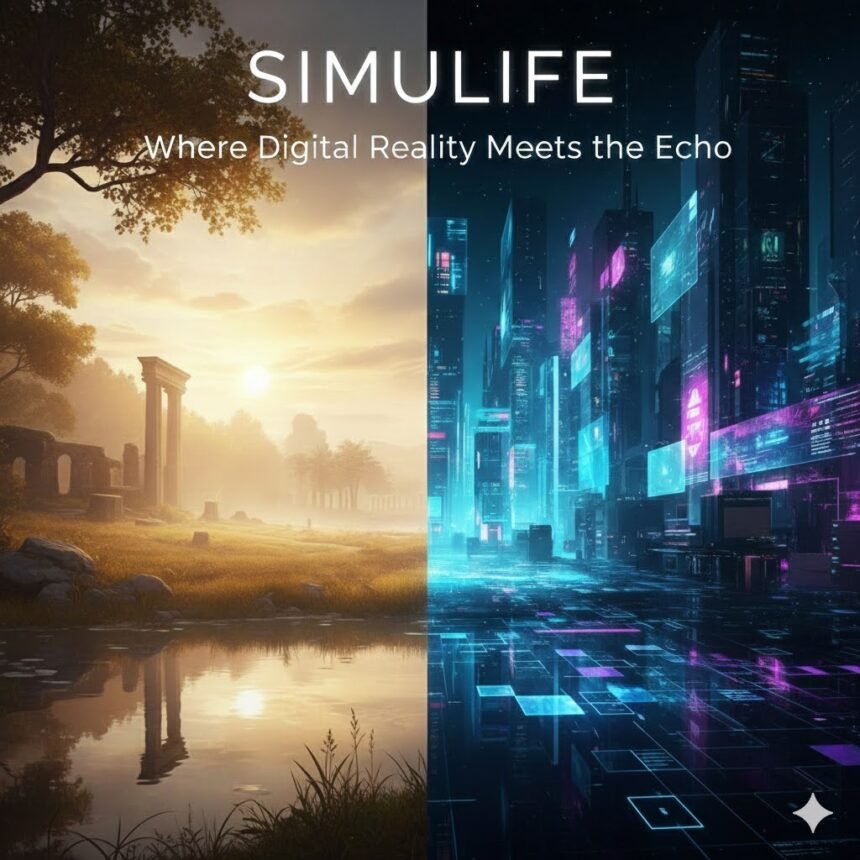
Simulife can be understood as the merging of simulation and lived experience. Rather than observing digital environments passively, individuals actively participate in them, shaping outcomes and engaging with responsive systems. It represents a shift from static digital consumption to interactive immersion.
Why does this matter? Because simulated environments are influencing industries ranging from education to entertainment. Training modules, virtual social spaces, and digital prototyping already demonstrate how simulated experiences reduce risk while increasing experimentation. In that sense, simulife isn’t a fantasy. It’s a developing reality unfolding in plain sight.
The Rise of Digital Living Spaces
Digital living spaces are no longer confined to video games. Virtual classrooms, remote collaboration platforms, and immersive social hubs are becoming commonplace. People are attending meetings, concerts, and even therapy sessions within simulated frameworks.
Interestingly, these environments often mirror real world behaviour. Users form communities, develop identities, and build digital assets. Over time, these spaces feel less artificial and more like extensions of daily life. That gradual shift illustrates how simulife bridges physical and digital existence.
The more seamless the interface becomes, the less distinction users perceive between simulation and tangible reality.
How Simulife Blends Technology and Human Behaviour
Technology alone does not create immersion. Human behaviour completes the equation. Simulife thrives because people adapt quickly to interactive systems, often responding emotionally to virtual stimuli.
For instance, avatars in digital spaces evoke empathy. Virtual collaboration builds genuine teamwork. Even simulated risks can produce adrenaline responses. Fascinating, isn’t it? The human brain responds to patterns and interaction, whether physical or digital.
By combining responsive programming with psychological engagement, simulife becomes more than code. It becomes experience.
Core Features That Define Simulife
Before diving deeper, it helps to outline what makes simulife distinct from ordinary digital platforms.
- Interactive environments that respond to user decisions
- Real time simulation modelling
- Persistent digital identities
- Adaptive artificial intelligence systems
- Cross platform accessibility
Together, these elements create continuity. Instead of logging into separate tools, users navigate cohesive simulated ecosystems.
Simulife in Education and Training
Education has embraced simulation more enthusiastically than many realise. Medical students practise procedures in virtual labs. Pilots train in advanced flight simulators. Engineers test designs digitally before construction begins.
Simulife extends this logic. By allowing learners to experiment safely, it accelerates skill development while reducing risk. Mistakes become lessons rather than disasters. And when learning feels immersive, retention improves significantly.
The future of training may well depend on increasingly refined simulation systems.
Simulife Compared to Traditional Digital Platforms
| Aspect | Traditional Digital Platforms | Simulife Concept |
|---|---|---|
| Passive Content Consumption | High | Low |
| Interactive Simulation | Limited | Extensive |
| Emotional Engagement | Moderate | Deep |
| Real Time Environment Adaptation | Minimal | Advanced |
| Persistent Identity Integration | Basic Profiles | Dynamic Digital Identity |
The distinction lies in depth. Traditional platforms deliver information. Simulife environments deliver lived experience within controlled frameworks.
Advantages of Simulife for Businesses
Businesses constantly seek efficient ways to innovate and reduce operational risk. Simulated environments offer compelling advantages.
-
Test products before physical production
- Train employees in realistic virtual scenarios
- Model consumer behaviour patterns
- Enhance remote collaboration experiences
These benefits translate into cost savings and improved strategic planning. By experimenting digitally, organisations minimise uncertainty in the real world.
Challenges Facing Simulife Development
While promising, simulife isn’t without hurdles. Technology must advance further to maintain realism without excessive computational demands.
- High development costs
- Data privacy concerns
- Hardware limitations for immersive experiences
- Ethical questions surrounding digital identity
Balancing innovation with responsibility will determine how successfully simulife evolves. Without careful governance, enthusiasm could outpace ethical safeguards.
Psychological and Social Impacts
Identity Exploration
Simulated spaces allow individuals to experiment with identity in safe environments. This can encourage creativity and self discovery.
Social Connectivity
Virtual interaction reduces geographical barriers. People collaborate and build friendships across continents.
Risk of Over Immersion
However, excessive reliance on simulated environments could blur boundaries between digital and physical life.
Understanding these impacts ensures that simulife enhances well being rather than undermining it.
The Future Potential of Simulife
Technological progress suggests that simulife will become increasingly sophisticated. Advances in artificial intelligence, augmented reality, and network infrastructure are already refining immersive environments.
As hardware becomes lighter and more accessible, participation barriers will shrink. What feels experimental today may become standard practice tomorrow. Digital rehearsal before real world action could transform industries entirely.
Simulife is not about replacing reality. It is about preparing, enhancing, and extending it.
Frequently Asked Questions
What does simulife mean?
Simulife refers to the integration of simulation technology with lived digital experiences.
Is simulife the same as virtual reality?
Not exactly. Virtual reality is a tool, while simulife represents a broader concept of immersive simulated living.
Can businesses benefit from simulife?
Yes, especially in training, product testing, and scenario modelling.
Are there risks associated with simulife?
Potential risks include privacy concerns, over immersion, and ethical challenges.
Will simulife replace real life experiences?
It is more likely to complement and enhance real world experiences rather than replace them entirely.
Conclusion
Simulife represents an evolving intersection between technology and human imagination. By merging simulation with meaningful interaction, it opens new pathways for education, business, and social connection. While challenges remain, the growth potential is significant. As digital immersion deepens, simulated environments may become integral to everyday life. Rather than replacing reality, simulife appears poised to refine and expand it.